
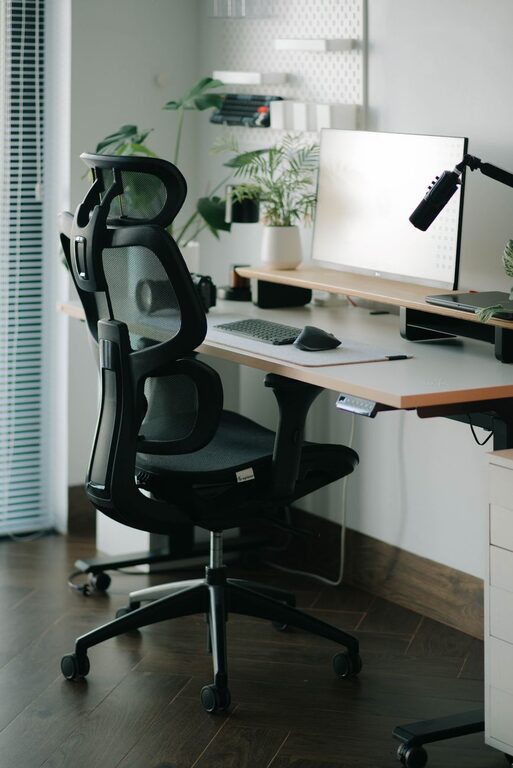
Creating a comfortable and productive home office space is essential for anyone working remotely or managing tasks from home. With the right setup, you can improve focus, reduce stress, and maintain a healthy work-life balance. In this post, we’ll explore practical tips to help you design an efficient and inviting workspace tailored to your needs.
Why a Good Home Office Space Matters
Your home office is more than just a desk in a corner—it’s a dedicated place where you accomplish professional goals and daily tasks. A well-designed space can:
– Increase concentration and efficiency
– Reduce physical discomfort
– Promote motivation and creativity
– Help separate work life from personal life
Now that we understand the benefits, let’s dive into practical ways to create your ideal home office.
Choosing the Right Location
Find a Quiet Spot
Look for a location in your home with minimal distractions. This could be a spare room, a nook, or a section of your living area. The key is choosing a place where noise and interruptions are limited.
Consider Natural Light
Access to natural light can improve mood and reduce eye strain. Position your desk near a window if possible, but avoid direct glare on your computer screen. Use blinds or curtains to control brightness.
Think About Ventilation and Temperature
A comfortable temperature and good airflow are vital for focus and comfort. Avoid areas prone to heat or cold drafts and consider a fan or space heater if needed.
Investing in Ergonomic Furniture
Choose an Adjustable Chair
A supportive chair that accommodates your posture helps prevent back and neck pain. Look for one with adjustable height, lumbar support, and comfortable cushioning.
Pick the Right Desk
Your desk should be at a comfortable height to maintain good posture. Standing desks or adjustable desks offer flexibility to alternate between sitting and standing.
Position Your Monitor Properly
Place your monitor at eye level, about an arm’s length away. This setup reduces neck strain and enhances comfort during long hours of work.
Organizing for Efficiency
Declutter Regularly
Keep your workspace clear of unnecessary items. A tidy desk helps minimize distractions and gives you a sense of control.
Use Storage Solutions
Invest in shelves, drawers, or organizers to store office supplies, documents, and equipment. Label containers to find items quickly.
Keep Essential Items Within Reach
Arrange frequently used tools—like your phone, notepad, or pens—within easy reach to reduce time spent searching.
Enhancing Comfort and Ambiance
Personalize Your Space
Adding plants, artwork, or personal items can make your workspace more inviting and inspiring.
Manage Lighting
Apart from natural light, have adjustable artificial lighting. Use task lamps to reduce eye strain when working in the evening.
Minimize Noise
Consider noise-canceling headphones or white noise machines if your area is noisy. Soft background music can also boost concentration for some people.
Establishing Boundaries and Routine
Set Work Hours
Define clear work start and end times to avoid overworking and maintain balance.
Use Physical Cues
Closing a door or using a room divider can signal a transition from personal to work mode.
Take Regular Breaks
Short breaks improve focus and reduce fatigue. Use reminders or apps to encourage movement and rest.
Technology and Connectivity
Reliable Internet
A strong and stable internet connection is essential for online meetings and smooth workflow.
Organize Cables
Use cable management clips or sleeves to keep cords neat and prevent tangling.
Invest in Quality Equipment
A good keyboard, mouse, and headset can improve comfort and productivity.
Final Thoughts
Designing a home office that works for you requires attention to comfort, organization, and your personal preferences. Start with a quiet, well-lit location and furnish it thoughtfully with ergonomic and functional items. Keep the space organized and pleasant to encourage daily productivity. Most importantly, establish routines and boundaries to make your work-from-home experience positive and sustainable.
Remember, the best home office reflects your working style and helps you feel focused and comfortable every day. Take time to adjust and improve your setup as your needs evolve. Happy working!