
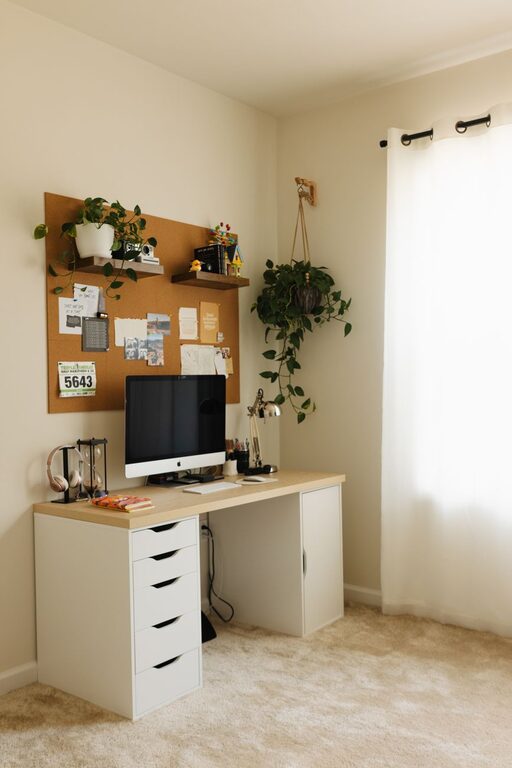
Creating a home office that balances comfort with productivity is key to making remote work or study both enjoyable and efficient. Whether you have a dedicated room or a small corner to work with, designing a space that feels cozy yet functional can significantly improve your focus and motivation. Here are some helpful tips to guide you in creating your ideal home office environment.
Choose the Right Location
Finding the best spot for your home office sets the foundation for your workspace. Consider these factors:
– Natural Light: Position your desk near a window to benefit from natural daylight, which can boost mood and reduce eye strain.
– Quiet Environment: Select a part of your home that is least prone to noise and distractions.
– Space Availability: Ensure there’s enough room for your furniture, equipment, and some storage.
If space is limited, a corner in your living room or bedroom can work well with the right arrangement.
Invest in Comfortable and Functional Furniture
Your furniture affects both your health and productivity. Focus on:
– Ergonomic Chair: A supportive chair helps maintain good posture and reduces back pain.
– Appropriate Desk: Choose a desk that fits your needs—whether it’s for working on a laptop, spreading out paperwork, or both.
– Adjustable Options: Consider furniture with adjustable height to alternate between sitting and standing.
Comfortable furniture encourages longer, more focused work sessions.
Organize Your Workspace Efficiently
A clutter-free and organized desk can help minimize distractions and improve workflow. Try these ideas:
– Use Storage Solutions: Drawers, shelves, and filing cabinets can keep papers and supplies neatly stored.
– Desk Organizers: Small trays or containers for pens, paper clips, and sticky notes keep essentials close but tidy.
– Cable Management: Use clips or covers to prevent cords from tangling and creating a messy look.
Regularly tidying your workspace makes a noticeable difference.
Personalize Your Space with Cozy Touches
Adding elements that make your workspace inviting can increase comfort and happiness. Consider:
– Soft Lighting: Desk lamps or string lights create a warm atmosphere without harsh glare.
– Plants: Small indoor plants improve air quality and add a natural vibe.
– Artwork and Photos: Hang inspiring art or pictures that bring joy and personalization.
– Comfort Items: A cozy throw blanket or cushion can make your chair more comfortable.
Personal touches help reduce stress and make your office feel like your own.
Incorporate Technology Thoughtfully
Technology is essential for a home office but can become overwhelming if not managed well. Aim to:
– Choose Reliable Equipment: Invest in a good-quality computer, headset, and printer to ensure smooth work.
– Use Wireless Devices: Wireless keyboards, mouses, and headphones reduce clutter.
– Keep Charging Stations Accessible: Designate a spot for charging phones, tablets, and other devices.
– Utilize Productivity Apps: Tools like calendars, task managers, and note apps keep you organized.
Balancing technology use ensures it supports your work without becoming a distraction.
Maintain Good Air Quality and Temperature
Comfort isn’t just about furniture; the room environment matters too:
– Ventilation: Open windows when possible or use an air purifier to keep air fresh.
– Temperature Control: A fan, heater, or portable thermostat maintains a comfortable temperature year-round.
– Humidity: Use a small humidifier if the air feels dry, especially in colder months.
A pleasant environment helps keep you alert and comfortable throughout the day.
Set Boundaries Between Work and Home Life
Working from home can blur the line between professional and personal time. Strategies include:
– Defined Work Hours: Stick to specific start and end times for better work-life balance.
– Separate Workspace: Avoid working from your bed or couch when possible.
– Visual Cues: Use closing your laptop or a room divider to signal the end of the workday.
Clear boundaries improve focus during work hours and help you relax afterward.
Keep Your Workspace Flexible and Adaptable
As your work habits or needs change, your home office should adapt. Ideas to consider:
– Modular Furniture: Pieces that can be rearranged or repurposed easily.
– Multipurpose Surfaces: Tables that double as craft or study spaces.
– Portable Storage: Mobile filing carts or baskets for easy relocation.
Flexibility keeps your workspace functional for any task.
—
By following these tips, you can create a cozy and productive home office that supports your work goals while making your daily routine more enjoyable. A well-designed workspace is a valuable investment in your comfort, health, and efficiency. Happy decorating!