
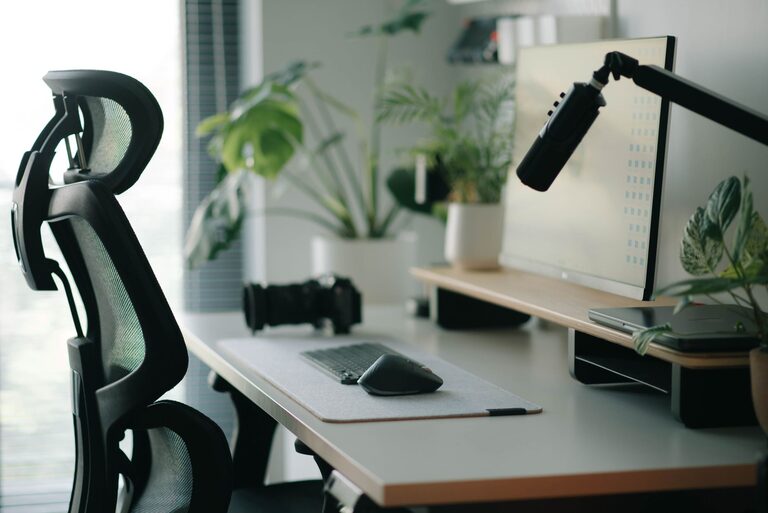
Creating a relaxing home office environment is essential for staying productive and motivated, especially as many people continue to work remotely or spend more time at home. A space that feels calm and inviting can reduce stress and help you focus better throughout the day. Whether you have a dedicated room or a small corner of your home, there are simple adjustments you can make to turn it into a peaceful work haven.
In this post, we’ll explore practical tips to help you create a home office that supports relaxation and productivity.
Choose the Right Location
Selecting the best spot for your home office is the first step. Ideally, your workspace should be in a quiet area away from high-traffic zones in your home. If possible, avoid placing your desk in front of a noisy appliance or near the television.
– Look for natural light: A room or corner with plenty of natural light will help improve your mood and keep you alert.
– Consider privacy: If your job requires frequent phone calls or video meetings, pick a space where you won’t be interrupted.
Invest in Comfortable Furniture
Comfort is key in a relaxing workspace. Sitting for long hours in an uncomfortable chair can cause physical strain and distract you from your work.
– Chair: Choose an ergonomic chair that supports your posture and provides adjustable features.
– Desk: Pick a desk at the right height to avoid hunching or stretching.
– Accessories: Consider accessories like a footrest or adjustable monitor stand to improve overall comfort.
Keep Your Space Organized and Clutter-Free
A cluttered workspace can increase stress and reduce focus. Developing good organization habits will help maintain a calming environment.
– Use storage solutions: Shelves, drawers, and filing cabinets keep items neatly stored.
– Declutter regularly: Set aside time weekly to clear unnecessary items from your desk.
– Use cable management: Tidy up cords and wires with clips or cable organizers.
Add Calming Colors and Decor
Colors have a psychological impact on mood. Choosing soothing hues and decor can help create a peaceful vibe in your office.
– Soft colors: Shades like blues, greens, and neutrals promote relaxation.
– Personal touches: Add artwork, plants, or decorative objects that make the space inviting without overcrowding.
– Minimalism: Avoid overly busy patterns or too many decorations, which can cause distraction.
Incorporate Natural Elements
Bringing elements of nature into your workspace can reduce stress and increase feelings of wellbeing.
– Houseplants: Indoor plants improve air quality and add a touch of greenery.
– Natural light: Position your desk near a window to take advantage of sunlight.
– Natural materials: Furniture or decor made from wood, stone, or bamboo create an organic feel.
Manage Lighting Effectively
Proper lighting creates a welcoming atmosphere and reduces eye strain.
– Layer lighting: Use a combination of ambient (overhead), task (desk lamp), and accent lighting.
– Adjustable options: Having dimmable lights or different bulbs allows you to adjust brightness.
– Avoid glare: Position your monitor and light sources to minimize screen reflection.
Create a Relaxing Sound Environment
Noise can be a major distraction in a home office. Controlling your sound environment is important to stay calm and focused.
– Use noise-canceling headphones if your home is noisy.
– Play soft background music or nature sounds if it helps you concentrate.
– Consider white noise machines or apps to mask disruptive sounds.
Set Boundaries to Maintain Work-Life Balance
A relaxing home office doesn’t only rely on physical space but also on clear routines.
– Define work hours: Stick to a schedule and “leave” your office at the end of the day.
– Create rituals: Starting the day with a brief routine can prepare your mind for work.
– Take breaks: Step away from your desk regularly to stretch, hydrate, or relax briefly.
Keep Technology Organized and Updated
Technology supports your productivity but can cause frustration if cluttered or outdated.
– Use docking stations and stands to keep devices neat.
– Regularly update software and equipment to avoid glitches.
– Limit notifications during work times to reduce distractions.
—
Final Thoughts
A relaxing home office environment is both a physical and mental workspace investment. By choosing a quiet spot, using comfortable furniture, controlling clutter, and incorporating calming elements, you can create a space that supports your well-being and productivity.
Remember that small changes can make a big difference. Start with one or two tips from this list and gradually customize your home office to suit your preferences and needs. With time, your workspace will become a place you look forward to spending your workday in—calm, focused, and comfortable.